
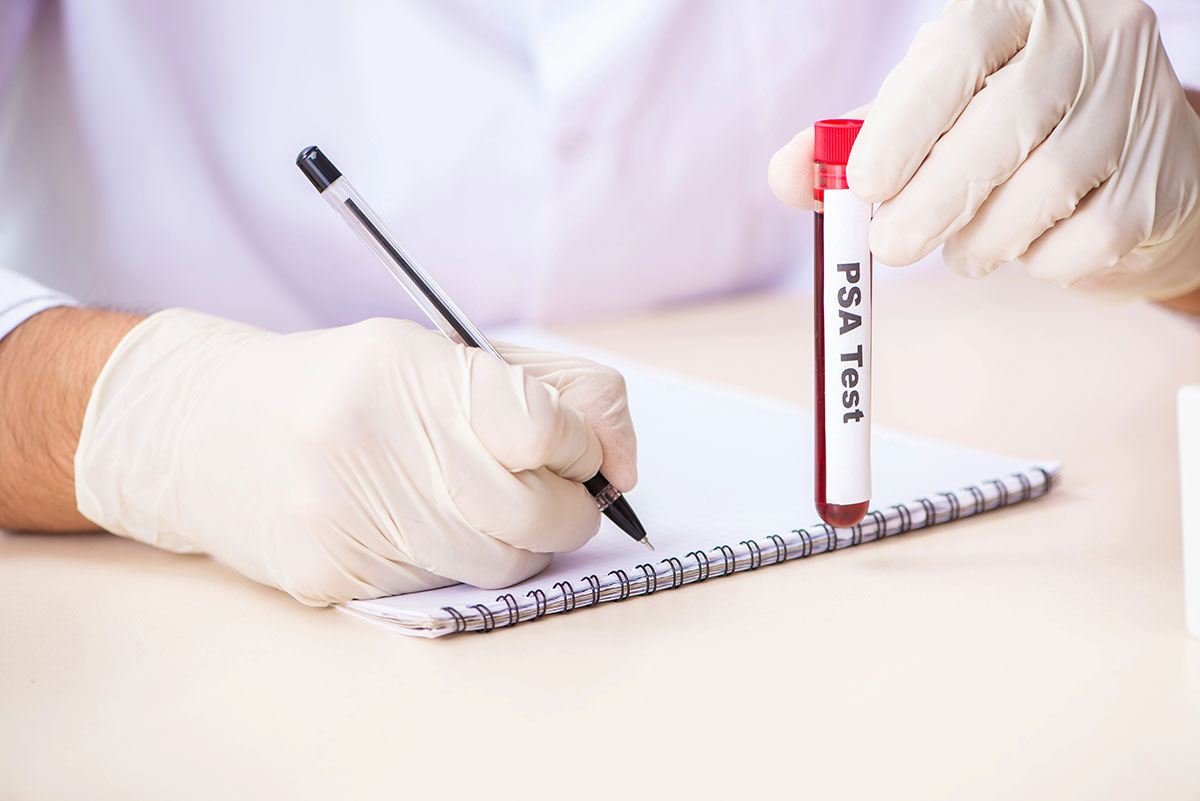
PSA monitoring is part of standard follow-up after prostate cancer treatment, including surgery, radiation, HIFU, and NanoKnife Irreversible Electroporation (IRE).
After focal therapy, however, PSA is interpreted differently because the prostate remains in place. HIFU and NanoKnife (IRE) may be used to treat a targeted area of cancer while preserving the prostate, so PSA is not expected to disappear completely.
This means follow-up looks at both the treated area and the remaining prostate tissue.
A rising PSA does not automatically mean the treatment failed. PSA is important, but it is only one part of follow-up, alongside MRI, biopsy when needed, and the patient’s overall clinical picture.
Why focal therapy follow-up is different:
After surgery, the prostate has been removed, so PSA is expected to become undetectable or nearly undetectable.
After radiation, the prostate remains, but the whole gland has been treated.
After focal therapy, only the targeted cancer area has been treated. The rest of the prostate remains in place, so PSA follow-up looks at both the treated zone and the untreated prostate tissue.
PSA is Monitored Until It Reaches a New Baseline
After focal treatment, PSA is usually checked every three months during the first year. Testing continues every three months until PSA reaches its new lowest level. This is called the nadir.
Once the new baseline is established, a rise of about 1.5 points above the nadir may signal that something is happening in the prostate and further investigation is needed.
Prostate Cancer Treatment Options
That investigation may include repeat PSA testing, MRI, prostate biopsy, ultrasound, or, in selected cases, additional imaging such as PSMA PET/CT. The goal is to determine whether the PSA change reflects recurrent cancer, a new cancer in another part of the prostate, or another cause.
PSA changes are interpreted as a pattern, not as isolated results, and a small fluctuation is not the same as a persistent upward trend.
MRI Helps Evaluate the Treated Area and the Rest of the Prostate
MRI is an important part of follow-up after focal therapy.
After HIFU or NanoKnife (IRE), MRI can help assess the treated zone, look for suspicious findings, and monitor untreated parts of the prostate. This matters because focal treatment does not remove or treat the entire gland.
Post-treatment MRI can also be more complex than diagnostic MRI before treatment. Treated tissue may show scarring, inflammation, or other expected changes. This is one reason follow-up should be interpreted by clinicians familiar with focal therapy.
MRI may be scheduled at defined intervals after treatment, or sooner if PSA changes raise concern. The exact timing depends on the patient’s case and physician recommendation.
Biopsy May Still Be Needed
A follow-up biopsy may be recommended if PSA rises above the new baseline, if MRI shows a suspicious area, or if the original cancer had features that require closer confirmation after treatment.
Biopsy can help determine whether clinically significant cancer remains in the treated area, whether cancer has returned after a period of control, or whether a new suspicious area has developed elsewhere in the prostate.
Follow-up is not only about checking the treated zone. It is also about continuing to monitor the rest of the prostate.
If Cancer is Found After Focal Therapy
When cancer is found after focal therapy, the first question is where it is located.
Cancer found in the treated area is evaluated differently from cancer found in another part of the prostate. A finding in the treated area may suggest that the original cancer extended beyond what could be seen or sampled before treatment, or that cancer has returned in that area after a period of control.
Cancer found elsewhere in the prostate may represent a separate area of disease that was not part of the original treatment target.
These distinctions matter because they affect the next step. A small, low-grade finding may be monitored, while clinically significant cancer may require additional treatment.
Retreatment May Remain an Option
One reason follow-up matters after focal therapy is that it helps preserve future treatment options.
If clinically significant cancer is found after HIFU or NanoKnife (IRE), the next step is not automatically removal or treatment of the whole prostate. In eligible cases, another focal treatment may be possible.
The right next step depends on where the cancer is found, how aggressive it is, whether it is visible on MRI, how PSA is behaving, and what treatment the patient has already had.
This is one of the important differences between focal therapy and some whole-gland treatments: follow-up is not only about detecting a problem. It can also help determine whether another targeted treatment remains possible.
A Rising PSA is a Signal, Not a Final Answer
A rising PSA may lead to further testing, but it does not answer the question on its own.
The next step is to determine what is causing the change. It may reflect benign prostate tissue, inflammation, residual disease, recurrence, or cancer in another part of the prostate.
In most cases, PSA monitoring after focal therapy is handled by the patient’s local urologist. If a patient does not have a local urologist, or if their urologist is not able to manage post-focal therapy follow-up, UIC can review PSA results and advise on whether further investigation may be needed.
If you have had focal therapy and are concerned about PSA changes, or if you are considering HIFU or NanoKnife (IRE) and want to understand the follow-up process, submit a consultation request through UIC’s website.